

large makeup mirror with lights
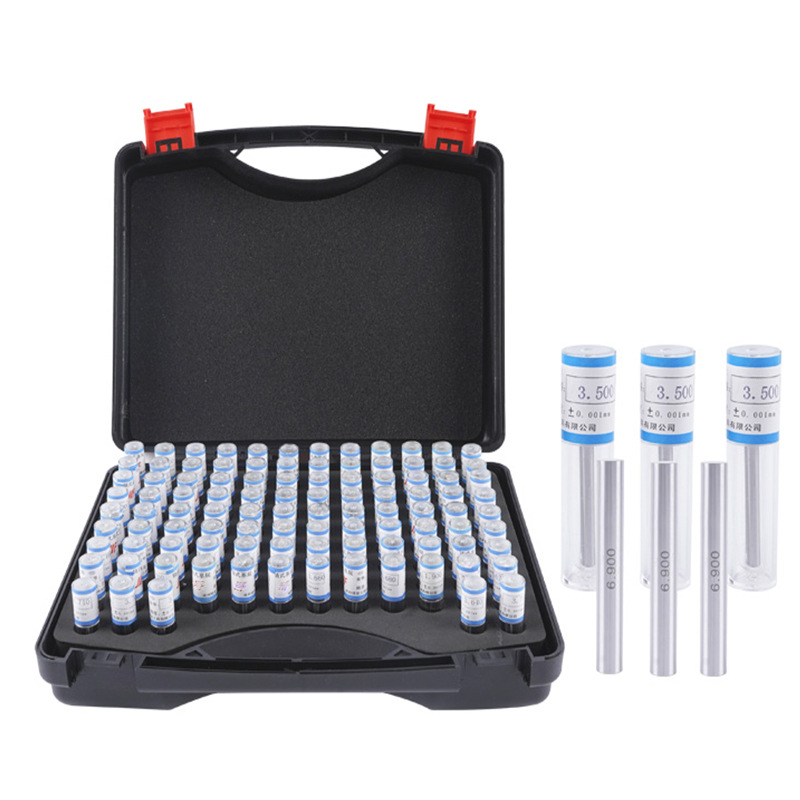
Understanding Snap Bore Gauges Precision Measurement Tools Snap bore gauges are essential tools in the field of engineering and manufacturing, particularly when precise internal measurements of cylindrical objects such as pipes, holes, and bores are required. These gauges are designed to provide accurate readings of diameters, ensuring that components fit correctly in assembly processes. This article explores the features, applications, and benefits of snap bore gauges, highlighting their significance in precision engineering. What is a Snap Bore Gauge? A snap bore gauge consists of a handle with expandable measuring arms that can be inserted into the bore of a part to measure its internal diameter. The term “snap” refers to the mechanism that locks the arms in place once they are expanded to contact the internal surfaces of the bore. These gauges are typically made from durable materials such as stainless steel, ensuring they can withstand repeated use in rigorous environments. The operation of a snap bore gauge is relatively straightforward. Users insert the gauge into the bore, adjusted to a size slightly smaller than the bore itself. By expanding the arms until they make contact with the sides of the bore and then locking them in place, users can accurately measure the internal diameter. The reading is taken by removing the gauge and measuring the distance between the arms using calipers, typically a micrometer or a dial indicator. Applications of Snap Bore Gauges Snap bore gauges are widely used in various industries, including automotive, aerospace, and manufacturing, where precision is paramount. They are critical in ensuring that parts are manufactured to exact specifications, allowing for proper assembly and performance of mechanical systems. 1. Quality Control In manufacturing environments, snap bore gauges play a crucial role in quality assurance processes. They help verify that parts meet specified tolerances and standards before they move further along the production line. 2. Mechanical Engineering Engineers often rely on snap bore gauges to measure the internal dimensions of components like engine cylinders, bearing housings, and other critical parts, ensuring they meet design requirements. 3. Maintenance and Repair In the maintenance of machinery, these gauges are used to diagnose wear or damage in parts that may impact performance . Accurate measurements allow technicians to determine whether a part needs replacement or repair. snap bore gauge Benefits of Using Snap Bore Gauges The advantages of snap bore gauges make them a preferred choice among professionals who require precise internal measurements 1. Ease of Use Snap bore gauges are user-friendly and straightforward, allowing operators to quickly measure internal diameters without extensive training. 2. Accuracy With a design that locks in place upon measurement, snap bore gauges minimize errors that can occur during measurement, providing reliable readings. 3. Portability These gauges are generally compact and lightweight, making them easy to transport and handle in various work environments. 4. Cost-Effectiveness Compared to more complex electronic measuring tools, snap bore gauges are relatively inexpensive while still offering high levels of accuracy, making them accessible for businesses of all sizes. 5. Durability Constructed from robust materials, snap bore gauges can endure harsh working conditions, resulting in a long service life and reducing the need for frequent replacements. Conclusion In conclusion, snap bore gauges are indispensable tools crucial for ensuring precision and accuracy in various engineering and manufacturing applications. Their straightforward design, portability, and durability make them ideal for both professionals and hobbyists alike. As industries continue to prioritize quality and precision, the relevance of snap bore gauges remains strong, contributing to the effective functioning of machinery and mechanical systems around the globe. By investing in high-quality snap bore gauges, businesses can enhance their quality control processes and ensure the longevity and reliability of their products.
about
large makeup mirror with lights
Understanding Level Suppliers in Supply Chain Management In today’s globalized economy, the concept of suppliers plays a crucial role in the success and efficiency of any business. Among the various categories of suppliers, level suppliers are particularly significant, as they represent different tiers in the supply chain. Understanding level suppliers, their roles, and how they impact businesses is essential for anyone involved in supply chain management. What are Level Suppliers? Level suppliers are categorized based on their proximity to the manufacturer or end-user in the supply chain. They are often classified into three levels 1. First-Tier Suppliers These are direct suppliers who provide materials or components to manufacturers. For instance, if a car manufacturer sources tires directly from a tire manufacturer, the tire supplier is considered a first-tier supplier. 2. Second-Tier Suppliers These suppliers provide products or materials to first-tier suppliers. Using the car manufacturing example, if the tire manufacturer sources rubber from a rubber processor, that rubber processor is a second-tier supplier. 3. Third-Tier Suppliers Often further removed from the end manufacturer, these suppliers provide raw materials or components to second-tier suppliers. In our example, if the rubber processor sources natural rubber from plantations, then those plantations constitute third-tier suppliers. This tiered system helps businesses manage their relationships with suppliers more effectively, allowing them to understand the complexities of their supply chains and the interconnections between different supplier levels. Importance of Level Suppliers 1. Cost Management By identifying and managing levels of suppliers, businesses can better control costs. First-tier suppliers may charge more for their goods, but they often provide higher quality or more specialized products. By examining the entire supply chain, companies can find ways to reduce costs without sacrificing quality. level supplier 2. Quality Assurance The level of a supplier often directly impacts the quality of the finished product. Manufacturers must ensure that not only first-tier suppliers meet quality standards but also that second- and third-tier suppliers do as well. This can be achieved through supplier audits and assessments, ensuring that quality is maintained throughout the supply chain. 3. Risk Management Understanding supplier levels aids in risk management. Disruptions can occur at any level of the supply chain, so being aware of the entire network of suppliers helps businesses prepare for potential issues. For example, if a natural disaster impacts third-tier suppliers, it may affect first-tier suppliers, and consequently, the manufacturer. Being aware of these levels allows companies to diversify their supplier base, reducing dependency on single suppliers and mitigating risk. 4. Improving Collaboration Effective collaboration with suppliers at all levels can lead to innovation and improved processes. By fostering strong relationships with first, second, and third-tier suppliers, companies can encourage new ideas and solutions, leading to enhanced products and services. 5. Sustainability As sustainability becomes increasingly important in today’s market, companies must consider the practices of their suppliers at all levels. Understanding where materials come from allows firms to ensure they are sourcing sustainably, thereby improving their overall environmental impact. Challenges in Managing Level Suppliers While the benefits of managing level suppliers are numerous, challenges do exist. Communication can become complex as the number of supplier tiers increases, and ensuring compliance with standards at all levels can be difficult. Additionally, businesses often struggle with transparency in their supply chains, making it hard to track the origins of materials and the practices of all suppliers involved. Moreover, geopolitical issues, trade policies, and fluctuating market conditions can further complicate supplier relationships. Adopting technologies such as blockchain can help improve transparency and traceability in the supply chain, but these innovations also require investment and training. Conclusion In conclusion, understanding level suppliers is vital for creating an efficient and resilient supply chain. By categorizing suppliers, businesses can better manage costs, quality, risks, and sustainability practices. While challenges exist, the benefits of effectively managing level suppliers far outweigh the potential drawbacks. As the business landscape continues to evolve, organizations that prioritize and streamline their relationships with suppliers at all levels will be better positioned to thrive in an increasingly competitive environment.
-

High quality industrial productsagement

High quality industrial products
View Details -

Meet the diverse needs of customers

Meet the diverse needs of customers
View Details -

Strict quality control

Strict quality control
View Details -

Top raw materials

Top raw materials
View Details -

Trusted supplier

Trusted supplier
View Details
Our application
news and information

Varausvärelypadin valmistajat ja niiden tarjoamat ratkaisut teollisuudelle
Tärinäpadsien valmistajat Innovaatioita ja laadukkaita ratkaisuja Tärinäpadsit ovat yhä tärkeämpiä e

water check valve 3 4
Understanding Water Check Valves The Importance of Models 3 and 4 Water check valves are essential c

What is the Difference Between a Gate Valve and a Globe Valve_
When navigating the world of industrial valves, understanding the nuances between various types can
 English